How Aluminum Foundry Engineering Helps In Reducing Production Prices for Makers
Aluminum foundry engineering plays an important role in minimizing manufacturing prices for suppliers. Metal Foundry. By using sophisticated casting strategies, enhancing product use, and integrating automation, business can improve effectiveness and decrease waste. Furthermore, energy-efficient techniques and quality assurance steps add to keeping high standards while lowering costs. Comprehending these approaches exposes just how manufacturers can adjust to sector needs and enhance their bottom line. What specific advancements are driving these modifications?
Advanced Casting Techniques
Advanced spreading methods have reinvented the aluminum foundry industry, allowing makers to create even more complex and specific components. Methods such as die casting, financial investment spreading, and sand casting have advanced considerably, permitting improved dimensional accuracy and surface area finish. These advanced approaches facilitate the manufacturing of intricate shapes that were once challenging or difficult to achieve, reducing the demand for extensive machining and setting up procedures.
Boosted air conditioning and heating strategies even more optimize manufacturing efficiency, minimizing cycle energy and times usage. Automation and computer-aided style (CAD) integration improve the casting procedure, making certain uniformity and top quality in every set. In addition, these innovative strategies add to lowered waste by maximizing product use, thereby driving down total manufacturing prices. As suppliers take on these sophisticated spreading approaches, they place themselves to meet the increasing needs for high-performance aluminum elements across numerous markets, eventually improving their competitiveness in the market.
Material Optimization Approaches
While producers constantly seek methods to enhance performance, product optimization approaches play an important role in the aluminum foundry field. These strategies concentrate on optimizing source utilization, reducing waste, and ensuring item quality. By examining the structure and homes of aluminum alloys, factories can determine the most ideal products for particular applications, consequently minimizing excess consumption.
Carrying out exact dimension strategies allows for accurate calculations of product demands, leading to less scrap during production. Simulation tools and software program enable engineers to forecast the habits of aluminum during the casting process, maximizing style and lowering flaws.
In addition, reusing scrap aluminum within the foundry not just reduces costs however also promotes sustainability. This round approach to material usage boosts overall production efficiency, ultimately adding to reduced operational costs and an extra environment-friendly production process. Through these approaches, producers can accomplish substantial expense decreases while maintaining high standards of quality and performance.
Automation and Machinery Innovations
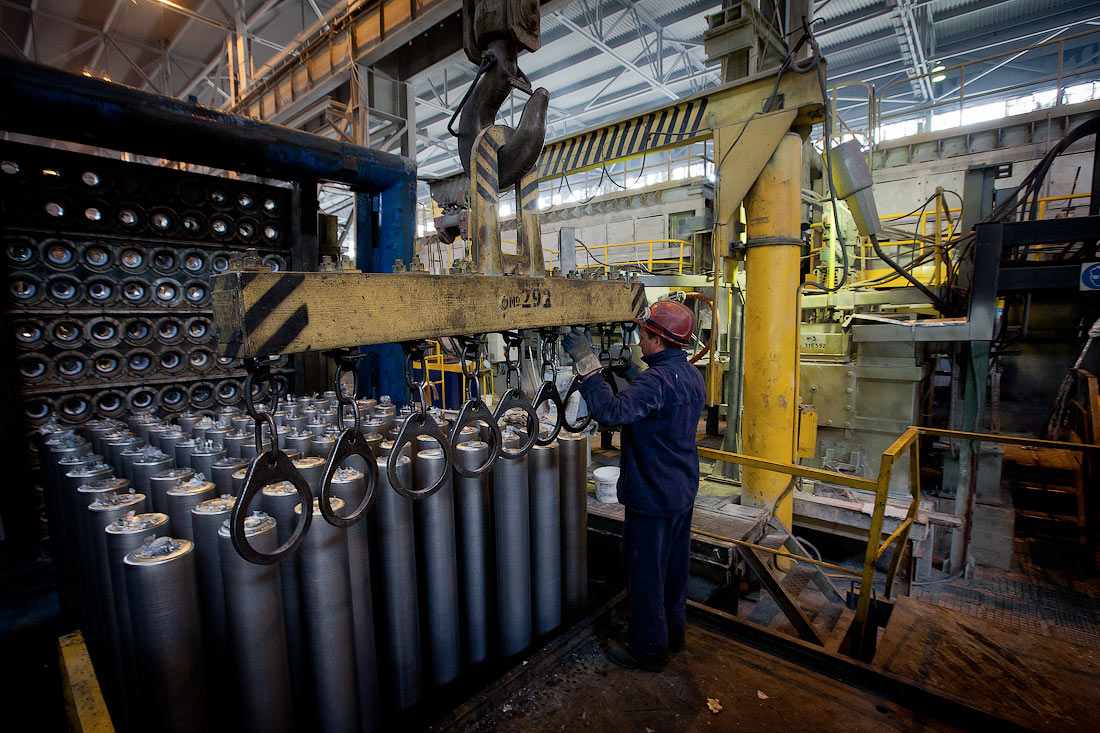
Innovation in automation and machinery has come to be a pivotal consider the aluminum foundry industry, matching the material optimization methods previously gone over. Advanced innovations, such as robot arms and automated molding systems, have actually greatly boosted production efficiency. These developments allow shops to streamline procedures, reduce manual work, and decrease human error, causing improved item uniformity and high quality.
The integration of smart sensors and information analytics into machinery permits for real-time surveillance and anticipating upkeep. This aggressive strategy not only expands the life expectancy of equipment however additionally decreases downtime, inevitably lowering operational costs. The usage of automated casting procedures better accelerates manufacturing cycles, making it possible for suppliers to satisfy enhancing need without endangering high quality.
Through these improvements, aluminum shops can accomplish higher performance levels while maintaining competitive prices, consequently sustaining producers in their pursuit for cost-effective production options.
Energy Performance in Aluminum Foundries
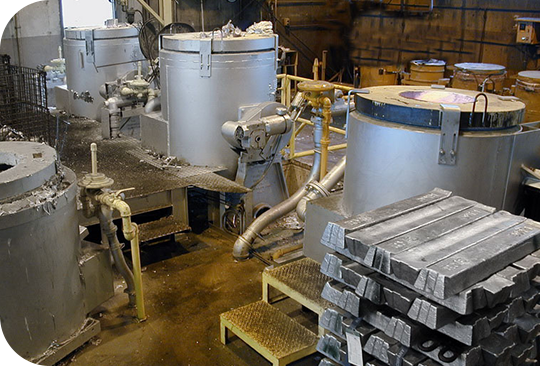
Additionally, insulation enhancements and using energy-efficient lighting even more boost general plant efficiency. By executing real-time tracking systems, foundries can recognize inadequacies and adjust procedures appropriately. Moreover, training workers on power preservation methods fosters a society of sustainability.
Regulative incentives and climbing power prices likewise motivate foundries to purchase energy-efficient solutions. As these steps are embraced, the aluminum foundry industry not only lessens its carbon impact yet also improves success, positioning itself positively in an open market. Such developments are important for lining up functional exercise with modern ecological criteria.
Quality Assurance and Process Enhancement
Quality control and procedure enhancement are extremely important in the aluminum foundry market, straight influencing item integrity and functional effectiveness. Executing strenuous top quality control procedures guarantees that each phase of manufacturing abides by established standards, thus minimizing flaws and improving the total high quality of spreadings. Metal Foundry. Techniques such as analytical procedure control (copyright) enable shops to keep an eye on production procedures in real time, determining variations and making it possible for prompt corrective activities
In addition, constant procedure renovation methodologies, such as Lean and Six Sigma, promote a culture of efficiency among foundry groups. These methodologies assist eliminate waste and enhance procedures, eventually adding to reduced manufacturing costs. Routine training and growth of workers even more bolster quality control initiatives, guaranteeing that workers are outfitted with the most recent technologies and techniques. By focusing on quality assurance and process improvement, aluminum factories can not just improve item honesty however additionally achieve substantial expense savings, making them a lot more affordable in the marketplace.
Study of Expense Decrease Successes
While many aluminum factories encounter climbing manufacturing expenses, More Help numerous have actually successfully implemented calculated campaigns that substantially reduced expenditures. One remarkable situation included a foundry that took on advanced automation modern technologies, leading to a 30% decrease in labor expenses. By making use of robot systems for casting and machining, the center lessened human error and increased manufacturing efficiency.
An additional foundry concentrated on optimizing its supply chain by negotiating far better contracts with basic material vendors. This campaign brought about a substantial decline in product costs, attaining a 15% reduction on the whole. Furthermore, a third situation highlighted a factory that revamped its recycling procedures, reclaiming aluminum scrap better, which not only lowered product expenditures however also contributed to sustainability initiatives.
These study exhibit exactly how targeted engineering techniques can bring about substantial expense decreases, enabling aluminum factories to remain competitive while boosting their bottom line.
Frequently Asked Questions
What Are the Key Conveniences of Aluminum Over Other Steels?
How Does Aluminum Recycling Effect Production Expenses?
Aluminum recycling significantly lowers production prices by lowering resources costs, lessening energy consumption, and decreasing emissions. This process boosts sustainability while making aluminum much more economically feasible compared to primary metal production methods.
What Industries Advantage Many From Aluminum Foundry Engineering?
Automotive, aerospace, find more and consumer electronics sectors profit most from aluminum foundry engineering. These sectors utilize aluminum's lightweight buildings and recyclability, enhancing item performance while lowering weight, eventually causing enhanced effectiveness and cost-effectiveness in producing processes.

What Prevail Challenges Dealt With by Aluminum Foundries?
Usual obstacles dealt with by aluminum foundries include handling production effectiveness, making certain top quality control, decreasing waste, attending to equipment upkeep, navigating fluctuating basic material prices, and adjusting to technical developments while fulfilling customer demands and regulatory demands.
Exactly How Can Smaller Manufacturers Implement Foundry Engineering Solutions?
Smaller sized manufacturers can apply foundry engineering remedies by purchasing modern-day tools, adopting lean manufacturing principles, educating staff on finest methods, collaborating with seasoned designers, and utilizing simulation software program to maximize production processes properly.
Aluminum foundry engineering plays an important duty in minimizing manufacturing expenses for manufacturers. Additionally, recycling scrap aluminum within the foundry not only decreases expenses however additionally promotes sustainability. As the aluminum foundry sector faces increasing pressure to decrease expenses and ecological effect, power effectiveness has actually emerged as an essential emphasis location. Quality control and procedure improvement are extremely important in the aluminum foundry sector, straight affecting product dependability and functional performance. While numerous aluminum foundries face climbing manufacturing costs, a number of have successfully carried out tactical initiatives that significantly lowered costs.